AI が広告を購入しています。Media Buy プロトコルは、あなたの在庫を購入できるようにします。 これは AdCP の中核となる広告自動化インターフェースで、在庫探索から最適化までのライフサイクルを管理する 8 つの標準タスクを提供します。

プロトコルへのアクセス

Media Buy タスクは複数のプロトコルで利用できます: いずれのプロトコルも機能は同一です。統合要件に応じて選択してください。Protocol Comparison を参照。

8 つのコア Media Buy タスク

Media Buy プロトコルが提供する主要オペレーション:

Discovery & Planning

Campaign Execution

Creative Management

  • list_creatives: クリエイティブライブラリを閲覧・フィルタ
  • sync_creatives: クリエイティブをアップロードしプラットフォーム間で同期

Performance Optimization

主要設計原則

  1. プロトコル非依存: MCP/A2A/将来のプロトコルで同一機能を提供。
  2. 非同期前提: 処理時間は秒〜日。保留状態を前提とする。リアルタイムプロトコルではない(単純照会は秒、人承認を要する処理は日単位)。
  3. Human-in-the-Loop: 任意の操作でパブリッシャーが手動承認を要求可能。人が介在するタスク管理を含む。
  4. マルチプラットフォーム抽象化: Google Ad Manager、Kevel、Triton Digital などで共通に動作する統一インターフェース。
  5. AI 最適化: AI エージェントが自律的に探索・交渉・最適化できるよう設計。

主要機能

  • Natural Language Discovery: 平易なブリーフで在庫を検索
  • Unified Targeting: プラットフォーム横断で一貫したターゲティング軸
  • Standard Formats: Standard Creative Agent による規定フォーマット
  • Creative Agents: クリエイティブ生成・検証・プレビューを行う AI エージェント
  • Creative Flexibility: IAB 標準とカスタムフォーマットの両対応
  • Real-time Optimization: パフォーマンスを継続監視・調整
  • Human-in-the-Loop: 必要に応じた手動承認ワークフロー
  • Performance Accountability: 約束に対する配信結果を追跡するフィードバックループ

レスポンスタイムの目安

Media Buy は 迅速だがリアルタイムではない プロトコルとして設計され、レスポンスは4カテゴリに分かれます:
  • 単純な DB 参照(約1秒): フォーマット/クリエイティブ一覧
  • 推論/RAG 処理(約60秒): プロダクト・シグナル探索(AI/LLM を伴う)
  • レポートクエリ(約60秒): 集計を伴う配信指標
  • 非同期処理(分〜日): キャンペーン作成・更新、クリエイティブ同期、シグナル有効化(Human-in-the-Loop の可能性)
実装時は非同期を前提にし、処理中の適切なフィードバックを提供してください。

役割分担: 協働モデル

Media Buy プロトコルは、各主体が得意分野に注力する協働プロセスを前提に設計されています。役割分担が効率と成果を高めます。

The Three Roles

1. Publisher ロール

パブリッシャーは配信最適化の知見とデータを提供します。必要なのはシンプルです:
  • Money: 予算
  • Brief: 目標の明確化
  • Feedback: 成否を示すシグナル
パブリッシャーの要望: 「予算を提示し、狙いを伝え、成果を共有してほしい。」

2. Principal (Buyer) ロール

Principal はブランドとキャンペーン戦略を主導します。 事前コントロール:
  • キャンペーンブリーフと目標
  • 予算配分
  • ターゲティング条件(例: 「カリフォルニア必須」「店舗周辺」)
  • クリエイティブ承認
リアルタイムシグナル:
  • オーディエンスデータ
  • ブランドセーフティ要件
  • フリークエンシーキャップ
  • パフォーマンスフィードバック
Principal は高次の目標設定に集中しつつ、パブリッシャーに最適化の裁量を与えます。

3. Orchestrator ロール

Orchestrator は DSP に相当し、技術的な調整を担います:
  • 当事者間の情報同期
  • クリエイティブアセット管理
  • フリークエンシーキャップの適用
  • リアルタイムシグナル処理(AXE)
  • キャンペーン状態管理
これにより Principal は実装詳細ではなく戦略に集中できます。

このモデルが機能する理由

  1. 専門性の一致: 各主体が強みに集中
  2. 境界の明確化: 責任範囲の明示で衝突防止
  3. 柔軟性: Principal の制約内でパブリッシャーが最適化
  4. スケーラビリティ: 複雑さを Orchestrator が吸収
  5. 透明性: 明確なシグナルとフィードバックループ
This collaborative approach optimizes outcomes by letting each participant do what they do best, creating a more efficient and effective advertising ecosystem.

責任と信頼のフレームワーク

AdCP は計測可能なパフォーマンス追跡と責任メカニズムにより、時間とともに市場品質を高めるフィードバックループを備えます。

パフォーマンス約束モデル

パブリッシャーがプロダクト探索に応答するとき、暗黙のパフォーマンス約束を行います:
  • Delivery Estimates: “I can deliver 50K impressions in this package at a $3 CPM”
  • Audience Quality: Products targeting specific demographics or behaviors
  • Minimum Exposure Commitments: Guaranteed minimum impression delivery per user
  • Format Compatibility: Supported creative specifications and requirements
これは保証ではなく、測定・追跡できる現実的な期待値です。

計測可能なアカウンタビリティ

プロトコルは約束に対するパブリッシャーの実績を体系的に追跡します: Delivery Tracking
  • 実績と見積インプレッションを比較
  • 見積単価に対する CPM 精度を監視
  • 完了率やオーディエンス品質指標を追跡
  • 最低露出要件の遵守を測定
Quality Metrics
  • ターゲティング約束とのオーディエンス整合
  • クリエイティブフォーマット適合性と成果
  • ブランドセーフティ/ポリシー遵守
  • 応答時間と運用信頼性
Historical Performance
  • 複数キャンペーンにわたり精度を追跡
  • 一貫した高/低パフォーマーを特定
  • 約束履行に基づく評価スコアを構築
  • 将来のパブリッシャー選定をデータドリブンに

フィードバックループ

これにより、パフォーマンスデータが将来の機会に影響する自己改善型マーケットが形成されます:
  1. Discovery Quality: Publishers who consistently deliver what they promise receive higher visibility in product discovery results
  2. Allocation Decisions: Buyers can factor historical performance into budget allocation decisions
  3. Price Efficiency: Accurate delivery estimates help buyers plan budgets more effectively
  4. Marketplace Evolution: Publishers are incentivized to provide realistic estimates and deliver quality results

信頼構築のメリット

バイヤーの利点:
  • 実績に基づく選定でリスク低減
  • より正確な計画と予算立案
  • パブリッシャーの約束に対する信頼向上
  • データドリブンな最適化機会
パブリッシャーの利点:
  • 一貫した成果による優位性
  • 満足したバイヤーからの配分増加
  • 評判に基づく価格決定力
  • 運用卓越性への明確なインセンティブ
エコシステムの利点:
  • 自律的な品質向上
  • 不正・虚偽の減少
  • 広告費の効率的な配分
  • 実績に基づく長期的な関係構築
This accountability framework transforms the advertising marketplace from a series of one-off transactions into a trust-building system that rewards performance and reliability.

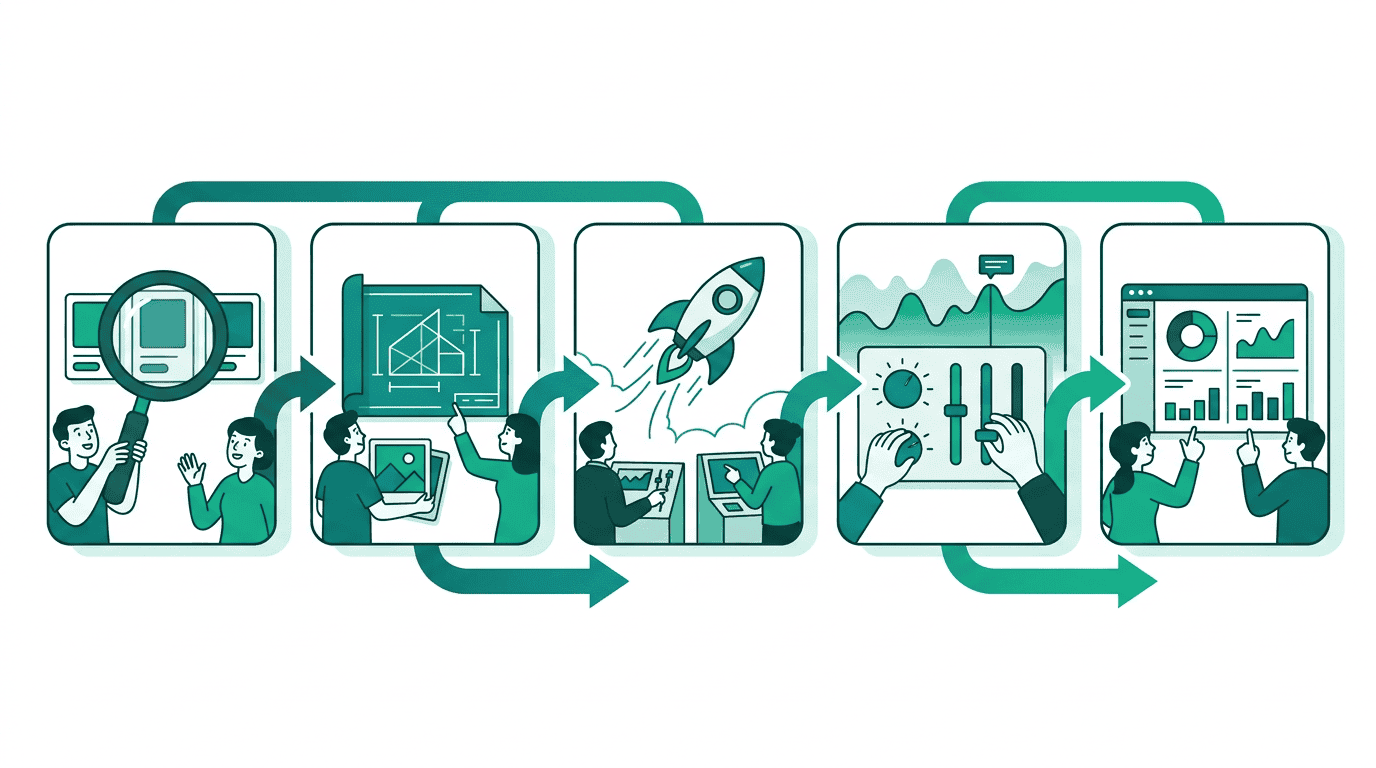
Media Buying Lifecycle

The following diagram illustrates the complete lifecycle of a media buy in AdCP:

Documentation Structure

Task Reference 🔗

Complete API reference for all 8 media buying operations, from product discovery and creative management to campaign creation and optimization.

Capability Discovery 🔍

Foundation concepts including creative format specifications and property authorization. Learn about preventing unauthorized resale and understanding format requirements.

Product Discovery 📋

Natural language approach to finding inventory, including brief structure, product models, and real-world examples.

Media Buys 🎯

Complete campaign lifecycle management from creation through optimization, including asynchronous operations, human-in-the-loop workflows, performance monitoring, and data-driven campaign optimization.

Creatives 🎨

Creative asset management including library management, asset lifecycle, and cross-platform synchronization. Works in conjunction with the Creative Protocol for building and managing creative content.

Advanced Topics 🛠️

Advanced features including targeting dimensions, security models, design rationale, and development tools.

Getting Started

Choose your path based on your role and needs:

For AI Agent Developers

  1. Start with Protocol Selection - Choose MCP or A2A based on your use case
  2. Call get_adcp_capabilities - Discover what the agent supports
  3. Learn Capability Discovery - Understand creative formats and property authorization
  4. Try Product Discovery - See how natural language briefs work
  5. Reference Task Reference - Implement the core tasks

For Campaign Managers

  1. Understand the Media Buy Lifecycle - Learn the complete workflow
  2. Review Product Discovery - See how to find inventory with briefs
  3. Study Policy Compliance - Understand approval requirements
  4. Explore Optimization & Reporting - Learn performance management

For Publishers/Sales Agents

  1. Learn Understanding Authorization - Understand authorization requirements
  2. Review Creative Formats - See supported creative specifications
  3. Study Advanced Topics - Deep dive into technical implementation

For Technical Implementers

  1. Choose your Protocol - MCP vs A2A comparison
  2. Study Task Reference - Complete API documentation
  3. Review Advanced Topics - Security, testing, and architecture
  4. Explore Creative Management - Asset lifecycle and synchronization
The Media Buy protocol makes advertising automation accessible to AI agents while maintaining the human expertise and approval workflows that ensure quality and compliance.